How to Recognize Early Signs That Roof Repairs Are Needed

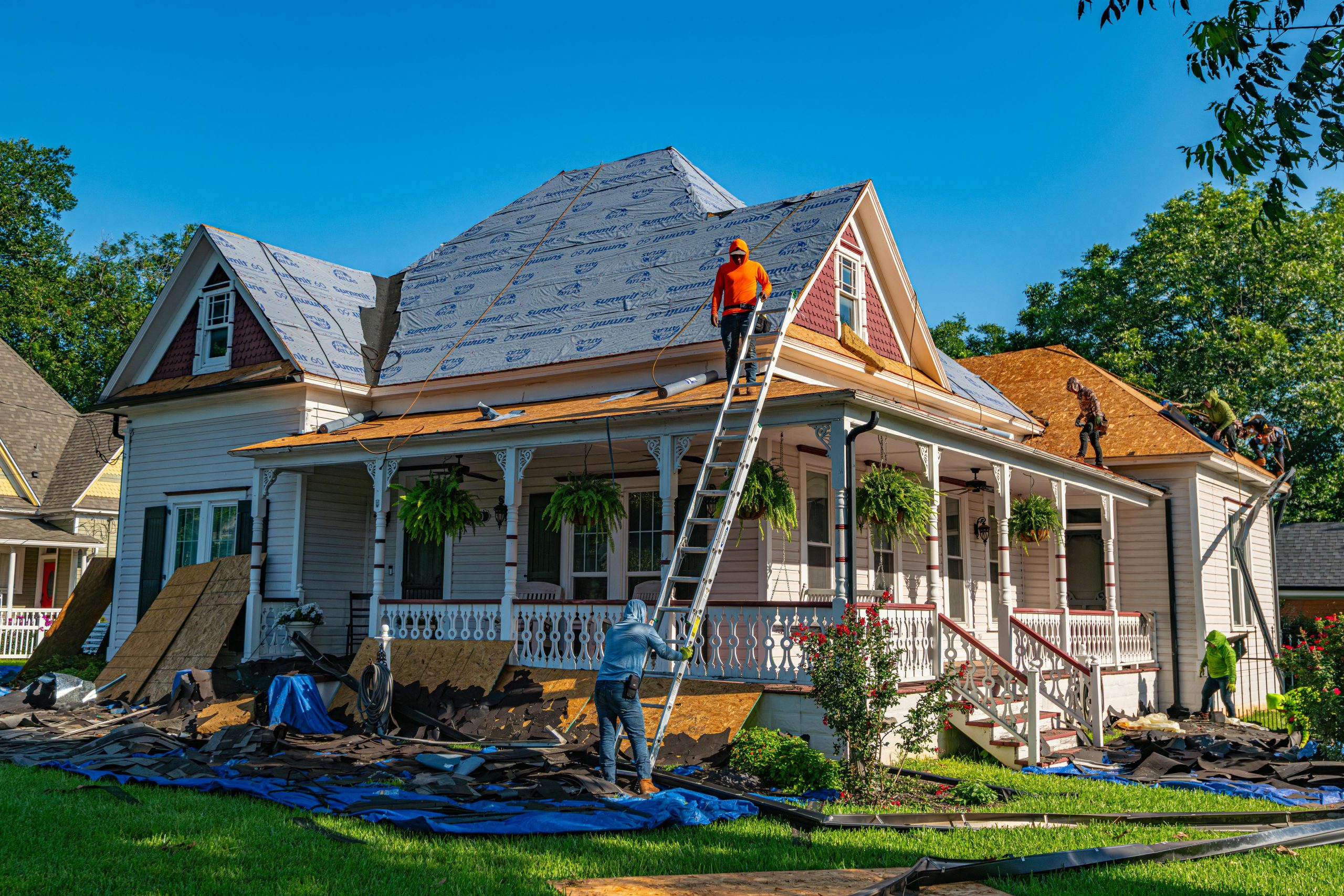
A roof rarely fails without warning. Most of the time, it sends up small signals months, sometimes years, before a major leak or structural problem appears. The trouble is that homeowners often miss those signs because roofs are out of sight and easy to ignore until water shows up on a ceiling or insulation is soaked in the attic.
That delay is expensive. In my experience, the difference between a manageable repair and a disruptive, high-cost project often comes down to timing. A few lifted shingles, a flashing gap around a vent, or granule loss in one section can usually be addressed without tearing into half the roof. Leave the same issue through one storm season, and it can turn into damaged decking, mold growth, ruined drywall, and even interior electrical concerns.
Recognizing early signs of needed Roof Repairs is less about becoming a roofing expert and more about knowing what changes matter. Some clues show up outside after wind, hail, or long heat exposure. Others appear indoors, quietly, through stains, odors, or unexplained energy changes. The key is to notice patterns before they become emergencies.
What makes roof problems easy to miss
Roofing systems age gradually. Materials expand in summer heat, contract in winter cold, and take repeated hits from rain, wind, debris, and ultraviolet light. Because deterioration is often incremental, homeowners get used to the roof looking roughly the same from the ground. A problem that would stand out on a kitchen counter is much harder to spot twenty feet overhead.
There is also a common assumption that if water is not dripping into the house, the roof must be fine. That is not always true. Water can travel along underlayment, rafters, or insulation before it shows itself in a living space. By the time a brown ceiling mark appears, the entry point may have been active for quite a while.
Another reason issues go unnoticed is that roofs fail at their weak points first, not necessarily across the whole surface. Valleys, pipe boots, flashing around chimneys, transitions between roof lines, skylights, and areas where debris collects tend to age faster than open field shingles. A roof may look generally acceptable from the driveway while one small component is close to failure.
The outdoor signs that deserve attention
Some of the earliest warnings can be seen from ground level if you know what to look for. You do not need to climb onto the roof to notice that something has changed.
Shingles that appear curled, cupped, cracked, or uneven are among the most obvious indicators. Curling at the edges often means the material is drying out and losing flexibility. Cracks can develop after prolonged sun exposure or repeated freeze-thaw cycles. If a section looks slightly rippled compared with the rest, that can suggest poor fastening, trapped moisture, or age-related distortion.
Missing shingles are a more direct sign, but even one or two matter more than many homeowners realize. A single exposed area can let water and wind work their way beneath surrounding materials. After a strong storm, it is worth taking a slow walk around the property and looking at every slope you can see.
Granule loss is another early warning, especially on asphalt shingles. Those gritty granules protect the shingle surface from sunlight and weathering. If you notice bald-looking patches on the roof or an unusual amount of granules collecting in gutters and downspouts, the shingles may be approaching the point where Roof Repairs are needed. A small amount of granule shedding can be normal on newer roofs, but heavy loss on an older roof is different. It usually reflects wear, not just settling.
Flashing problems are easy to overlook because flashing is not the most visible part of a roof, yet it is one of the most important. Metal flashing around chimneys, walls, skylights, and roof penetrations should sit tight and channel water away cleanly. Rust, separation, lifted edges, or visible gaps can all allow moisture in. I have seen many leak calls where the shingles were still serviceable, but the flashing had failed years earlier.
Sagging roof lines are more serious. A roof should have straight, intentional lines. If you notice a dip, bow, or low spot that was not there before, do not wait. That can point to saturated decking, framing movement, or long-term structural stress. Sagging is not a cosmetic issue. It is a sign that the roof system may already be compromised below the surface.
What your gutters can reveal about the roof
Gutters are often treated as a separate maintenance item, but they tell you a lot about roof condition. If they are full of granules, shingle fragments, bits of flashing, or recurring debris from the same roof area, that is useful evidence.
Overflowing gutters can also contribute to roof damage. When water cannot move away properly, it may back up under the edge of shingles or saturate fascia and soffit components. Ice dams in colder climates add another layer of risk because trapped meltwater can work its way beneath roofing materials even when the roof surface itself still looks intact.
A clogged gutter does not always mean the roof has failed. Sometimes it simply means the drainage system has been neglected. But when overflowing water is paired with staining near eaves, peeling paint, or rot at the roof edge, it often signals that Roof Repairs should be considered before the damage spreads.
The indoor clues many homeowners dismiss
Not every roof problem announces itself from outside. Some of the most reliable early warnings appear indoors, especially in attics, upper-floor rooms, and areas around exterior walls.
Water stains on ceilings are the classic red flag, but they do not always look dramatic. They may start as a faint yellow ring, a slightly darker patch after rain, or a subtle bubble in painted drywall. Even a mark that appears dry deserves investigation. I have seen homeowners repaint over a stain only to have it return six months later, larger and harder to ignore.
Attic inspection can be especially revealing. On a bright day, pinpoints of light coming through the roof boards or around penetrations are a problem. So are damp insulation, musty odors, black spotting, and visible water trails along wood members. Wet insulation loses effectiveness quickly, which means a roof issue can become an energy efficiency issue at the same time.
Mold and mildew near the attic or top-floor ceilings can indicate moisture intrusion, though ventilation problems can produce similar symptoms. That is where judgment matters. If the mold is localized beneath a valley, around a chimney, or near a vent stack, roof leakage becomes more likely. If it is widespread and paired with heavy condensation, ventilation may be the bigger factor. In some cases, both are happening together.
Peeling paint or warped trim near the top of exterior-facing interior walls can also be an early warning. Moisture does not always land directly under the leak source. It can travel, linger, and affect finishes in ways that seem unrelated to the roof at first glance.
Storm damage is not always obvious
After severe weather, many people look for dramatic signs like branches through the roof or shingles scattered across the yard. Those are easy cases. The harder ones involve damage that weakens the roof without creating immediate leaks.
Hail can bruise asphalt shingles, knocking away granules and shortening service life even when there is no puncture. Wind can break the seal strip on shingles, leaving them vulnerable to future uplift. Flying debris can dent flashing or damage soft roofing components around vents. None of this may be visible from the street.
I remember one home where the owner assumed the roof had survived a summer storm because there were no leaks that week. Three months later, during a period of steady rain, water began entering around a bathroom exhaust vent. The storm had loosened flashing and partially lifted a cluster of shingles. It took time for the failure to become visible indoors, but the damage had started much earlier.
After any major wind or hail event, especially if neighboring homes are scheduling inspections, it makes sense to have the roof checked. Not every storm leads to Roof Repairs, but waiting for a ceiling stain is a poor test.
Age changes how you interpret the signs
The same symptom can mean different things depending on how old the roof is. A newer roof with one damaged section may need a targeted repair. An older roof with widespread granule loss, repeated leaks, and brittle shingles may be telling you that repairs will only buy limited time.
Asphalt shingle roofs commonly last somewhere around 15 to 30 years, depending on material quality, ventilation, installation, climate, and maintenance. That range is broad because real-world conditions vary so much. A Roof Repairs Royalty Exteriors roof facing intense sun, poor attic airflow, and frequent storm exposure may age faster than its expected label would suggest.
If your roof is already well into its service life, minor symptoms deserve more weight. A small flashing issue on a five-year-old roof is one thing. The same issue on a twenty-two-year-old roof surrounded by curling shingles is something else entirely. In that case, a contractor may still perform a repair, but the recommendation should be honest about the roof’s remaining life.
Why ventilation and insulation matter more than people think
Not every sign of roof trouble starts on top of the house. Heat and moisture from inside can shorten roof life from below. Poor attic ventilation traps hot air in summer and moisture in winter. That combination can bake shingles, encourage condensation, and warp roof decking over time.
When I inspect older homes, I often find that homeowners focused on replacing a few shingles while ignoring an attic that felt like an oven. The roof surface takes the blame, but the underlying environment is accelerating wear. If you are seeing premature aging, recurring ice dams, or persistent attic dampness, it is worth asking whether ventilation and insulation are contributing to the need for Roof Repairs.
This is one of those trade-off areas where cheap fixes Roof Repairs can disappoint. Replacing a damaged patch without addressing attic conditions may solve the immediate leak but not the cause of repeated deterioration. Good repair work should account for the system, not just the symptom.
Areas of the roof that fail first
A roof is a collection of components, and some components age faster than others. If you know where trouble commonly begins, you can monitor those areas more intelligently.
- Flashing around chimneys, skylights, and wall intersections
- Pipe boots and vent penetrations
- Valleys where two roof slopes meet
- Eaves and edges exposed to ice backup or gutter overflow
- Low-slope sections where water drains more slowly
These spots are not guaranteed to fail, but they deserve attention during visual checks and professional inspections. On many homes, the main shingle field remains serviceable while one of these detail areas becomes the first source of leakage.
When a small repair is enough, and when it is not
One of the most common homeowner questions is whether a roof needs repair or replacement. The answer depends on scope, age, and whether the issue is isolated or systemic.
A localized problem, such as a few missing shingles after wind, a failed vent boot, or flashing separation around one chimney, can often be repaired effectively if the surrounding roof is still in good shape. Matching materials may be imperfect, especially on older roofs, but function matters more than appearance when stopping water intrusion early.
Repairs become less practical when the roof shows widespread wear. If multiple sections are brittle, leaks are recurring in different areas, or the decking underneath has suffered moisture damage, patching can turn into repeated spending without much long-term benefit. A repair that lasts two years may still be worth doing if you are planning a replacement soon, but that decision should be deliberate rather than hopeful.
Experienced contractors usually speak in probabilities, not guarantees. That is a good sign. Roofing is exposed to too many variables for absolute promises on aging materials. What you want is a clear explanation of what has failed, how far the issue has spread, and whether the proposed repair fits the roof’s overall condition.
A practical way to check for early warning signs
You do not need a ladder to stay ahead of roof trouble. Most homeowners can build a useful habit around observation and timing.
- Look at the roof from the ground at least twice a year, ideally in spring and fall
- Check ceilings and attic areas after heavy rain or snowmelt
- Notice changes in gutters, especially granules or roofing debris
- Photograph suspicious areas so you can compare them over time
- Schedule a professional inspection after major storms or if your roof is nearing the end of its expected life
That routine catches more problems than many people expect. A photo taken six months apart can reveal subtle sagging, expanding stain patterns, or progressive shingle loss that memory alone might miss.
Warning signs that call for faster action
Some roof issues can wait a week or two for a standard appointment. Others deserve immediate attention. Active dripping, visible sagging, large sections of missing roofing, storm-related punctures, or sudden interior staining during rain all move the situation into a more urgent category.
If water is entering the house, protect the interior first. Move furnishings, contain the leak if possible, and document the damage. Then call a qualified roofing professional promptly. Waiting through several more rain events can multiply the repair scope quickly.
Urgency also matters if electrical fixtures are affected. Water near recessed lighting, ceiling fans, attic wiring, or service panels is not just a roofing issue anymore. It becomes a safety issue.
Choosing the right professional opinion
Not every contractor evaluates roofs with the same level of care. If you suspect Roof Repairs are needed, look for someone who explains findings clearly, documents problem areas with photos, and distinguishes between immediate repairs and longer-term planning.
A strong inspection should identify the source of concern, not just the symptom. If a contractor points to an interior stain and immediately recommends replacing the whole roof without discussing flashing, penetrations, age, ventilation, or decking condition, ask more questions. The opposite is also true. A promise to fix everything with a tube of sealant is rarely reassuring.
The best assessments tend to be specific. They describe where water is likely entering, what materials are affected, and whether the issue appears isolated or part of broader roof aging. That level of detail helps homeowners make rational decisions rather than reactive ones.
Paying attention early saves more than money
The financial case for catching roof issues early is straightforward, but the practical benefits matter just as much. Timely repairs reduce the chances of interior disruption, preserve insulation performance, protect stored belongings in the attic, and prevent small envelope failures from becoming mold or structural problems.
There is also peace of mind in knowing the roof has been evaluated before the next storm season. Homeowners who stay observant tend to face fewer sudden emergencies. They are not lucky. They are simply acting while the warning signs are still manageable.
A roof does not need constant worry, but it does need periodic attention. When shingles change shape, flashing separates, stains appear indoors, or gutters start filling with granules, those are not cosmetic details to revisit later. They are the house asking for help while the problem is still relatively contained.
The earlier you recognize those signals, the more options you keep. And with roofing, options are what save time, stress, and money.
Royalty Exteriors
151 NJ-10 Suite 103A
Succasunna, NJ 07876, United States
+1 973-333-7234
FAQ About Roof Repairs
Can you fix a roof leak without replacing the whole roof in Succasunna,NJ?
Often, a localized leak can be repaired without replacing the entire roof, depending on its cause and the condition of the surrounding materials. Damaged shingles, flashing, or a roof penetration may need targeted work. Royalty Exteriors offers roof repairs for leaks, storm damage, and shingle issues. An inspection is needed to determine the appropriate scope.
What is considered a minor roof leak?
A leak may be considered minor when the damage is limited to a small area and the surrounding roofing remains sound. A small ceiling stain alone does not establish the extent of the problem because water can travel before becoming visible. Have the source and any concealed damage assessed promptly.
Is it better to repair or replace a leaky roof?
The decision depends on the roof's age, overall condition, leak source, extent of damage, and history of previous repairs. A localized problem on an otherwise serviceable roof may be suitable for repair. Widespread deterioration or recurring leaks may justify considering replacement. Ask for an inspection and a written explanation of the recommended work before deciding.