Energy Savings After Roof Replacement in Succasunna, NJ
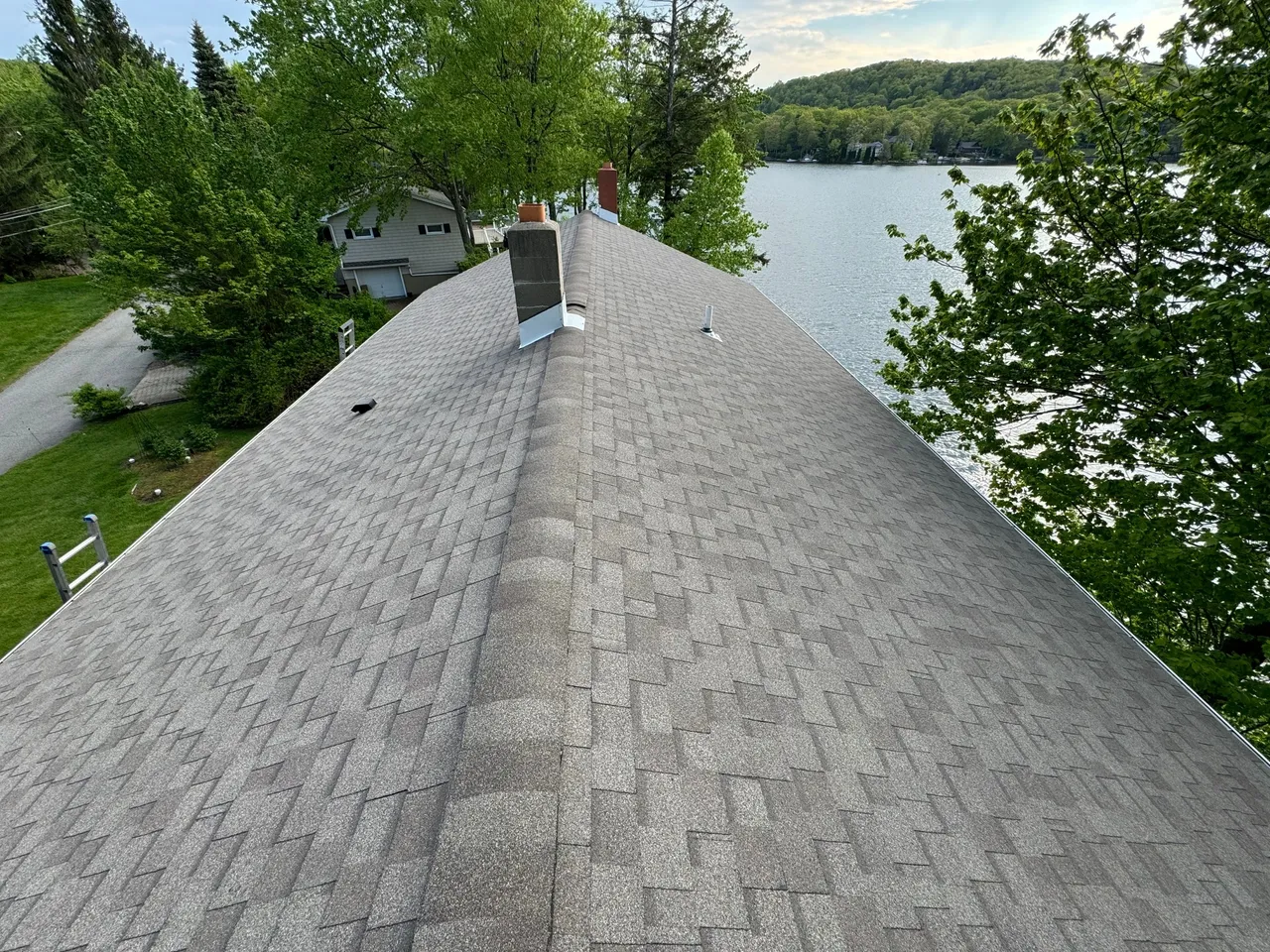
Homeowners usually start thinking about a new roof because of obvious problems. A leak stains the ceiling. Shingles curl after another Morris County winter. Granules pile up in the gutters. What surprises many people is what happens after the project is done. The house often feels steadier, quieter, and easier to heat and cool. Utility bills may not collapse overnight, but in many cases they move in the right direction for solid, practical reasons.
That is especially true in Succasunna, where roofs deal with real seasonal swings. Summer sun can turn an under-ventilated attic into an oven. January cold exposes every weak spot in the roof assembly. Heavy rain, snow load, freeze-thaw cycles, and humid stretches all test the outer shell of a home. In that environment, roof performance is not just about stopping water. It directly affects how hard the HVAC system has to work.
When people search for Roof Replacement Succasunna, NJ, they often focus on materials, warranties, and curb appeal. Those matter. Energy savings deserve equal attention, because the roof is one of the biggest surfaces exposed to weather, and a failing roofing system can quietly waste money year after year.
Why a roof influences energy use more than most owners expect
A roof does not insulate a house by itself. It works as part of a system that includes underlayment, decking, attic ventilation, flashing, insulation, and air sealing. If any one of those pieces is compromised, the home pays for it in comfort loss and higher energy demand.
In older homes around Succasunna, it is common to find a mix of issues rather than one dramatic defect. The shingles may be nearing the end of their life. The attic may have uneven insulation. Ridge ventilation may be missing, blocked, or paired poorly with soffit intake. Flashing details around chimneys or valleys may allow tiny moisture intrusion that goes unnoticed until plywood softens. Each issue on its own might seem manageable. Together, they create a roof assembly that traps heat in summer and lets conditioned air escape in winter.
A roof replacement often improves efficiency because it forces a closer look at the whole system. Contractors strip the old layers, inspect the deck, address damaged sheathing, install fresh underlayment, and have an opportunity to correct ventilation patterns. If the homeowner also tackles attic insulation and air sealing during the same window, the energy impact can be substantial.
What energy savings actually look like
It helps to stay realistic. Replacing a roof is not the same as replacing an ancient furnace with a high-efficiency heat pump. The savings are usually more moderate, and they vary widely based on the condition of the old roof, the design of the house, the attic setup, and the quality of the installation.
In a home where the old roof was simply aged but still reasonably ventilated, the direct utility savings from a standard replacement may be noticeable but modest. Think in terms of improved summer comfort and some reduction in cooling load, rather than a dramatic drop in annual bills. In a house with serious attic heat buildup, poor ventilation, or hidden moisture damage, the difference can be far more meaningful.
A fair expectation for many homes is a measurable reduction in summer cooling demand, with winter gains depending more on whether air leakage and insulation deficiencies are addressed at the same time. Homeowners who combine roof replacement with attic air sealing often report the clearest improvement. Rooms on the top floor stop overheating in August, and the heating system cycles less aggressively during cold snaps.
One local pattern I have seen repeatedly is that homeowners first notice the savings through comfort, not through the spreadsheet. They realize the upstairs bedroom that used to hit uncomfortable temperatures by late afternoon now stays manageable. Then they compare utility bills across similar months and see the supporting evidence.
Succasunna’s climate creates a tough test for older roofs
Succasunna is not dealing with a mild, uniform climate. Roofs here have to handle cold winters, hot and humid summers, and regular precipitation. That mix matters because each season punishes different weaknesses.
Winter highlights heat loss. Warm interior air rises and pushes into the attic if the ceiling plane is not well sealed. If the roof deck stays cold and moist air reaches it, condensation can become a problem. Add snow on top, and the risk of uneven roof temperatures increases. That is one factor behind ice dam formation, which is not just a nuisance. It is often a symptom of insulation and ventilation imbalance.
Summer flips the problem. Solar radiation heats the roof surface, and without proper airflow beneath the roof deck, attic temperatures can climb far above outdoor air temperature. Once the attic superheats, ductwork, air handlers, and ceiling surfaces all absorb that load. The AC runs longer, and upper floors become harder to keep comfortable.
A roof replacement designed for the local climate can ease both pressures. Better shingle performance, proper intake and exhaust ventilation, and attention to attic conditions all help the house resist extreme temperature swings.
The biggest sources of savings after a roof replacement
Not every efficiency gain comes from the shingles themselves. Most of the value comes from correcting hidden weaknesses in the roof assembly.
Ventilation corrections
Poor attic ventilation is one of the most common missed opportunities in older homes. A roof can look acceptable from the street and still perform poorly because the attic cannot breathe correctly. The classic issue is unbalanced ventilation, where there is plenty of exhaust at the ridge or roof vents but limited intake at the soffits. Without enough intake, the system cannot move air effectively.
When a replacement project includes proper ridge vent installation, clear soffit pathways, and balanced airflow, attic temperatures often drop. That reduces heat transfer into living spaces and lowers cooling demand. It can also extend the life of the roofing materials by reducing prolonged heat stress beneath the shingles.
Air leakage and insulation upgrades
This is where many homeowners see the most meaningful winter improvement. During roof work, it becomes easier to identify signs of long-term air leakage, especially around penetrations, top plates, bath fans, and attic hatches. If those leaks are sealed and insulation is brought up to appropriate levels, warm indoor air stays where it belongs.
In practical terms, that means less heat escaping through the top of the house. The furnace or boiler does not need to replace that lost heat as often. Comfort becomes more even, and cold drafts near ceilings or recessed lights often diminish.
Deck repairs and moisture management
A damaged roof deck does more than threaten the roof structure. Wet or deteriorated sheathing can compromise the entire performance of the assembly. During replacement, any soft or rotted sections can be replaced, and better water management details can be added around vulnerable areas like valleys, chimneys, skylights, and wall intersections.
Dry materials perform better. Moist insulation loses effectiveness. Damp attic environments also make temperature control harder. Fixing those conditions supports both durability and efficiency.
Material choice
Material selection matters, but it should be kept in context. High-quality architectural shingles, especially in lighter or more reflective colors, can help reduce heat absorption compared with dark, worn materials. The effect is real, but in New Jersey it is often secondary to ventilation and insulation. Reflective roofing matters more when the underlying attic system is already sound.
That said, color and product design can still influence summer performance. If two roofing products are otherwise comparable and one has better solar reflectance, that can be worth considering, especially for homes with persistent top-floor heat issues.
Where homeowners sometimes overestimate the savings
A new roof is not a cure-all. If the HVAC system is oversized, undersized, or poorly maintained, the roof will not fix that. If windows are extremely drafty or the attic floor is barely insulated, the roof alone will not deliver the full result people hope for.
This is one reason I often advise homeowners to treat roof replacement as part of a larger building performance conversation. The roof may be the trigger, but the attic is where the energy story often gets decided. A contractor who only talks about shingle color and brand, without asking about attic ventilation, insulation depth, or ice dam history, is missing part of the picture.
There is also the issue of payback. If your old roof is not leaking, your attic is already well ventilated, and your insulation is in good shape, replacing the roof solely for energy savings may not pencil out quickly. In that case, the financial value may come more from avoided repairs, improved durability, and resale appeal than from major utility reductions.
A practical example from homes like those in Succasunna
Consider a typical two-story colonial with a vented attic and aging asphalt shingles. The homeowners complain that the second floor bakes in July and feels drafty in February. Their energy bills have been creeping up, but the furnace and AC are not ancient. During the roof replacement, the contractor discovers blocked soffit vents, patchy insulation near the eaves, and several bathroom exhaust ducts that terminate poorly into the attic rather than venting properly outdoors.
The new roof alone improves weather protection, but the real gain comes from correcting those attic conditions. Once intake and exhaust ventilation are balanced, insulation is leveled and topped off where needed, and duct terminations are fixed, the attic behaves more like a controlled buffer instead of a heat trap. The upstairs rooms become easier to cool. Moisture risks drop. Heating and cooling cycles smooth out.
That type of scenario is not exotic. It is common, especially in homes that have been maintained in pieces over decades. The roof replacement creates access and urgency, which makes it the right time to solve problems that have quietly undermined efficiency for years.
The role of roofing color and solar reflectance
People often ask whether a lighter roof will automatically slash cooling bills. The honest answer is that it can help, but the size of the benefit depends on the rest of the house.
A lighter-colored shingle reflects more sunlight than a very dark one. On a hot sunny day, that can reduce surface temperatures and lessen attic heat gain. In a climate like Succasunna’s, where heating season is still significant, the annual savings from reflectance alone are usually not dramatic enough to justify an otherwise poor product decision. Durability, installation quality, and ventilation still come first.
If you already need Roof Replacement Succasunna, NJ services and you are comparing good products from reputable manufacturers, then color becomes a smart tie-breaker. A medium or lighter tone can offer a modest cooling advantage without compromising appearance. It is one of those choices that may not transform your budget by itself, but can contribute to a more efficient overall roof system.
Why installation quality matters as much as product quality
A premium shingle installed over bad ventilation and sloppy flashing is still a compromised roof. Energy savings come from execution. That includes how underlayment is laid, whether the ridge vent is cut correctly, whether soffit paths remain open, whether flashing is integrated cleanly, and whether the attic is evaluated rather than ignored.
I have seen roofs that looked crisp and new from the driveway but performed poorly within a year because the crew never addressed intake ventilation. I have also seen straightforward asphalt roof replacements produce strong comfort improvements because the contractor paid attention to attic airflow, insulation disturbances, and problem penetrations.
For homeowners, this means the estimate process matters. Ask how the contractor evaluates ventilation. Ask whether they inspect decking thoroughly once tear-off is complete. Ask what they typically find in older homes in the area. Experienced local roofers should be able to speak plainly about ice dams, soffit conditions, bathroom fan venting, and attic heat buildup, not just shingle lines and warranty brochures.
Signs your current roof may be wasting energy
Sometimes the roof’s impact on utility costs is hidden in plain sight. The clues show up in comfort patterns and maintenance history. If several of these sound familiar, the roof assembly may be part of the problem:
- Upstairs rooms are much hotter than the first floor in summer.
- Ice dams recur along eaves after snowfalls.
- Attic insulation looks uneven, compressed, or damp.
- Utility bills rise even though HVAC equipment is functioning properly.
- Shingles are aging, curling, or losing granules, especially on sun-exposed slopes.
None of those signs proves that roof replacement alone is the answer. Together, they are a strong reason to investigate the roof and attic as a system.
What homeowners should ask before replacing the roof
The best energy outcomes usually come from asking better questions before the first bundle of shingles arrives. Too many projects focus only on surface materials, then miss the attic conditions that drive comfort and operating costs.
A useful conversation with a contractor should cover the home’s age, roof orientation, attic type, insulation condition, history of leaks, and any rooms that are hard to keep comfortable. If the contractor notices staining on decking, blocked soffits, disconnected bath vents, or signs of past condensation, that should shape the scope of work.
If budget allows, pairing the roof replacement with targeted attic improvements is often the sweet spot. That does not always mean a major renovation. Sometimes modest air sealing and insulation corrections deliver outsized benefits because they support the new roof’s performance instead of leaving old weaknesses in place.
Return on investment, in real terms
Homeowners naturally want a number. How long until the roof pays for itself? The problem is that roofs rarely pay back through energy savings alone, at least not in a simple calculator sense. Their value is layered.
Part of the return comes from reduced utility use. Part comes from avoiding water damage and mold issues. Part comes from protecting insulation and structural components. Part comes from preserving resale value and improving marketability. A roof near failure can hurt a sale or force concessions. A well-installed new roof with corrected ventilation can strengthen buyer confidence.
If your existing roof is truly deteriorated, replacement is often a necessary capital expense first and an efficiency upgrade second. The good news is that you can still capture meaningful energy benefits if the project is approached intelligently. That is where professional judgment matters. The most cost-effective move is not always the most expensive material. Often, it is the contractor who understands how roofing, ventilation, and attic conditions work together in a New Jersey climate.
The local advantage of a roof built for actual conditions
There is no one perfect roof for every region, which is why local experience counts. Succasunna homes see storm exposure, snow, humidity, and heat. A roof assembly that performs well in a dry southern climate may not address the same cold-weather moisture concerns here. Local roofers who spend their time in Morris County tend to understand where houses in the area commonly fail, whether that is around chimney flashing, valley wear, poor ridge exhaust, or aging soffit systems.
That local knowledge can translate into energy savings because good design details are climate-specific. Preventing ice dams, managing attic moisture, and reducing summer heat buildup are not separate goals. In practice, they are parts of the same job.
A smarter way to think about roof replacement
The most useful mindset is to stop viewing the roof as a cap and start viewing it as a control layer. It controls rain. It influences airflow. It affects heat gain and heat loss. It helps determine whether insulation stays dry and effective. It shapes how hard the HVAC system has to work on the hottest and coldest days of the year.
For homeowners considering Roof Replacement Succasunna, NJ, the real opportunity is not just to install new shingles. It is to correct hidden inefficiencies while the system is open and accessible. That may mean better ventilation, selected decking replacement, upgraded flashing, air sealing, or insulation improvements. The exact mix depends on the house.
When those decisions are made carefully, the result is more than a new exterior finish. The home becomes easier to Roof Replacement Succasunna, NJ royaltyexteriorsnj.com live in. Seasonal temperature swings feel less punishing. Utility costs become more manageable. And the roof starts doing what it should have been doing all along, protecting the house from weather while helping it run efficiently every day.
Royalty Exteriors
151 NJ-10 Suite 103A, Succasunna, NJ 07876, United States
+1 973-333-7234
FAQ About Roof Replacement Succasunna, NJ
What are signs a roof needs replacing?
Widespread shingle deterioration, repeated leaks, or damaged decking can point to a larger problem. A roofer can inspect the roof covering, flashing, and deck to determine whether the damage is localized or whether replacement makes more sense.
How long does it take to reroof a 2000 square foot house?
Royalty Exteriors estimates one to three days for many single-family roof replacements. A house’s floor area does not tell you the actual roof area. Pitch, roof features, weather, and any decking repairs can change the schedule.
How long should a roof last in NJ?
There is no single lifespan for every roof. Material, installation quality, attic ventilation, maintenance, and exposure to storms all affect how long a roof remains serviceable. An inspection can help you assess its condition and plan for replacement.